
Chronic Diseases & Special Conditions
Dog Urinary Stones: Dietary Prevention & Care
Learn about struvite, oxalate, and urate stones in dogs. Discover how specific diets can prevent and manage these common urinary tract issues. Get expert pet care tips.
Free tool — no sign-up
Enter weight, age and body shape: 30 seconds and you get the daily portion.
When to see a vet IMMEDIATELY
- •Blood in stool or vomit
- •Lethargy, not drinking, or not eating for 24+ hours
- •Repeated vomiting, especially if water won't stay down
- •Swollen or painful abdomen, whimpering
- •Diarrhea lasting more than 3 days, or worsening symptoms
This article is informational and does not replace veterinary examination.
Urinary Tract Problems and Stone Formation
Most Common Stone Types
1. Struvite (Magnesium Ammonium Phosphate)
- Forms in alkaline urine
- Often associated with infection
- Can be dissolved with diet
2. Calcium Oxalate
- Forms in acidic/neutral urine
- Genetic predisposition (Schnauzer, Yorkie, Bichon)
- Can be prevented with diet, but not dissolved
3. Urate (Rare)
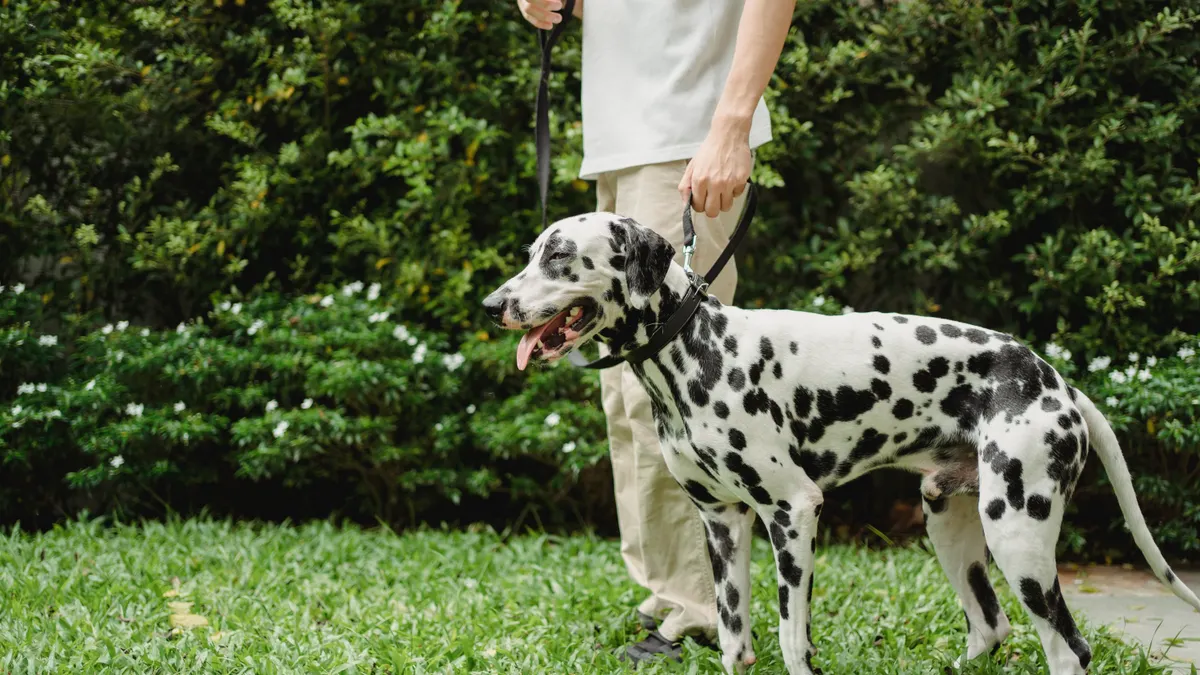
- Dalmatians, English Bulldogs are prone
- Requires reduced purine intake
Struvite Diet
Goal: Acidic urine, reduced stone-forming components.
- Veterinary struvite-dissolving diets (Hill's s/d, Royal Canin Urinary S/O)
- High moisture content (wet food)
- Moderate protein, reduced Mg and P
- Urinary acidifiers as needed
Oxalate Diet
Goal: Moderately alkaline urine, low oxalate.
- Veterinary oxalate-preventative diets
- Plenty of water (most important!)
- Restricted calcium is NOT recommended
- Avoid: spinach, almonds, chocolate, green tea
Prevention
1. Plenty of Water Diluted urine = less stone formation. Wet food, multiple water bowls.
2. Frequent Urination At least 4-5 times daily.
3. Avoid Salt High sodium burdens kidneys and blood pressure.
Symptoms
- Difficulty urinating, frequent attempts
- Bloody urine
- Painful urination
- Accidents in the house
- Abdominal pain
- Emergency: inability to urinate → immediate vet visit
Diagnosis
- Urinalysis
- Ultrasound (US)/X-ray
- Stone analysis after surgery
Monitoring
Urinalysis and follow-up ultrasound every 3-6 months.
Free tool — no sign-up
Enter weight, age and body shape: 30 seconds and you get the daily portion.
References
- 1.Lulich JP, Berent AC, Adams LG, Westropp JL, Bartges JW, Osborne CA — ACVIM Small Animal Consensus Recommendations on the Treatment and Prevention of Uroliths in Dogs and Cats. Journal of Veterinary Internal Medicine 30(5):1564–1574, 2016. https://doi.org/10.1111/jvim.14559 (accessed: 2026-09-10)
- 2.National Research Council (US), Committee on Animal Nutrition — Nutrient Requirements of Dogs and Cats. National Academies Press, Washington DC, 2006. https://doi.org/10.17226/10668 (accessed: 2026-09-10)
- 3.WSAVA Global Nutrition Committee — WSAVA Global Nutrition Guidelines. World Small Animal Veterinary Association, 2021. https://wsava.org/global-guidelines/global-nutrition-guidelines/ (accessed: 2026-09-10)
This is general information and does not replace a veterinary diagnosis.

This guide was compiled based on the expert input of Reka Fazekas-Birizdo canine nutritionist.
Certified Canine Nutritionist
Related articles
Health condition
Get a safe feeding direction for your dog's condition — to discuss with your vet.
Get a diet reportFree. Ready in a few minutes.
