
What Can Dogs Eat? — The Ultimate List
Can Dogs Eat Cranberries? Yes, a Few and Unsweetened
Free tool — no sign-up
Treats and human food together should stay under 10% of daily calories. Work out your dog's daily allowance.
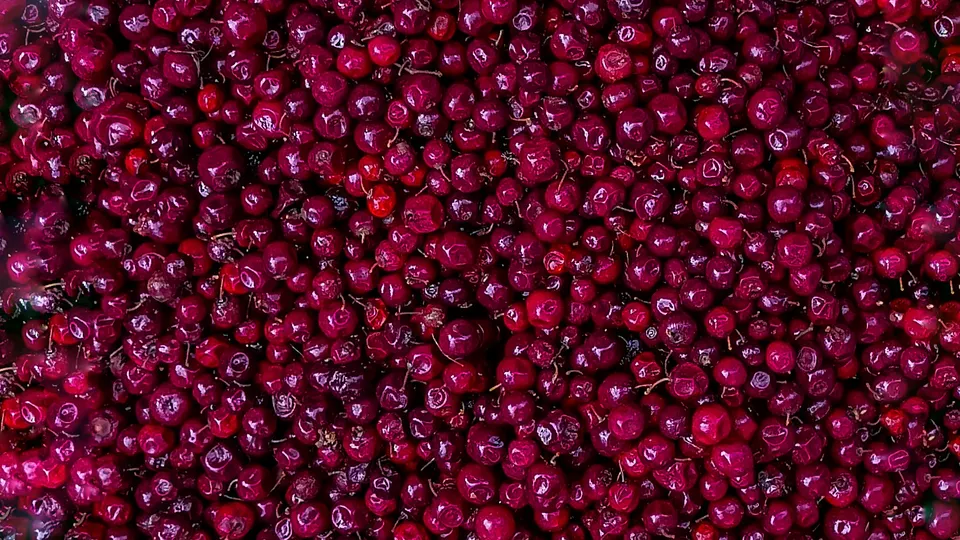
Can Dogs Eat Cranberries? Yes, a Few and Unsweetened
Yes, in small amounts. Cranberries aren't toxic to dogs, though many dogs don't like the sour taste. We have a separate article on blueberries.
Which forms are OK?
| Form | OK? |
|---|---|
| Fresh or frozen, raw | Yes, a few |
| Cooked without sugar | Yes |
| Dried, unsweetened | Yes, but very few (more concentrated) |
| Dried, sweetened (most store-bought) | Not recommended |
| Cranberry sauce, jam | No: lots of sugar, sometimes alcohol or xylitol |
| Cranberry juice | No: lots of sugar, little benefit |
| Trail mix with raisins or nuts | No: raisins are toxic |
Get a personalized recommendation for your dog's issue →
How many?
Occasionally, as a treat:
- Small dog: 2–3 berries
- Medium dog: 4–6 berries
- Large dog: 8–10 berries
About half that for dried cranberries. Too many can cause diarrhea and a tummy ache.
What about urinary tract infections?
In people, the proanthocyanidins in cranberries may make it harder for bacteria to stick to the bladder wall. In dogs the evidence is weak, and cranberries don't cure an infection. If your dog pees often, you see blood in the urine, or they strain to pee, they need a vet exam, not cranberries.
⚠️ Cranberries contain oxalate. If your dog is prone to calcium oxalate bladder stones (e.g. miniature schnauzer, Yorkshire terrier, bichon), only give cranberry supplements after talking to your vet.
What to watch out for
🚫 Avoid:
- Holiday cranberry sauce and cranberry baked goods
- Sweetened dried cranberries as a regular treat
- Any mix that also contains raisins, grapes, chocolate or macadamia nuts
This is general information. Ask your vet about individual feeding questions.
Free tool — no sign-up
Treats and human food together should stay under 10% of daily calories. Work out your dog's daily allowance.
References
- 1.Lulich JP, Berent AC, Adams LG, Westropp JL, Bartges JW, Osborne CA — ACVIM Small Animal Consensus Recommendations on the Treatment and Prevention of Uroliths in Dogs and Cats. Journal of Veterinary Internal Medicine 30(5):1564–1574, 2016. https://doi.org/10.1111/jvim.14559 (accessed: 2026-09-10)
- 2.Eubig PA, Brady MS, Gwaltney-Brant SM, Khan SA, Mazzaferro EM, Morrow CMK — Acute renal failure in dogs after the ingestion of grapes or raisins: a retrospective evaluation of 43 dogs (1992–2002). Journal of Veterinary Internal Medicine 19(5):663–674, 2005. https://doi.org/10.1111/j.1939-1676.2005.tb02744.x (accessed: 2026-09-10)
- 3.American Veterinary Medical Association — Household hazards: foods and substances that are toxic to pets. AVMA, 2024. https://www.avma.org/resources-tools/pet-owners/petcare/household-hazards (accessed: 2026-09-10)
This is general information and does not replace a veterinary diagnosis.

This guide was compiled based on the expert input of Reka Fazekas-Birizdo canine nutritionist.
Certified Canine Nutritionist
Related articles
Personalized guidance
Personalized dietary analysis based on your dog's data, in 2 minutes.
Get my personalized diet reportFree. Ready in a few minutes.