
Breed feeding guide
Shih Tzu: weight chart and how much to feed
The Shih Tzu is a small breed (origin: China). Adults of both sexes typically weigh 4.5–8 kg (10–18 lb), with a life expectancy of about 10–16 years. Below you will find the expected weight month by month, the daily calorie need and a breed-specific feeding checklist.
Prepared by the DogDietLab nutrition team · Updated: November 2026
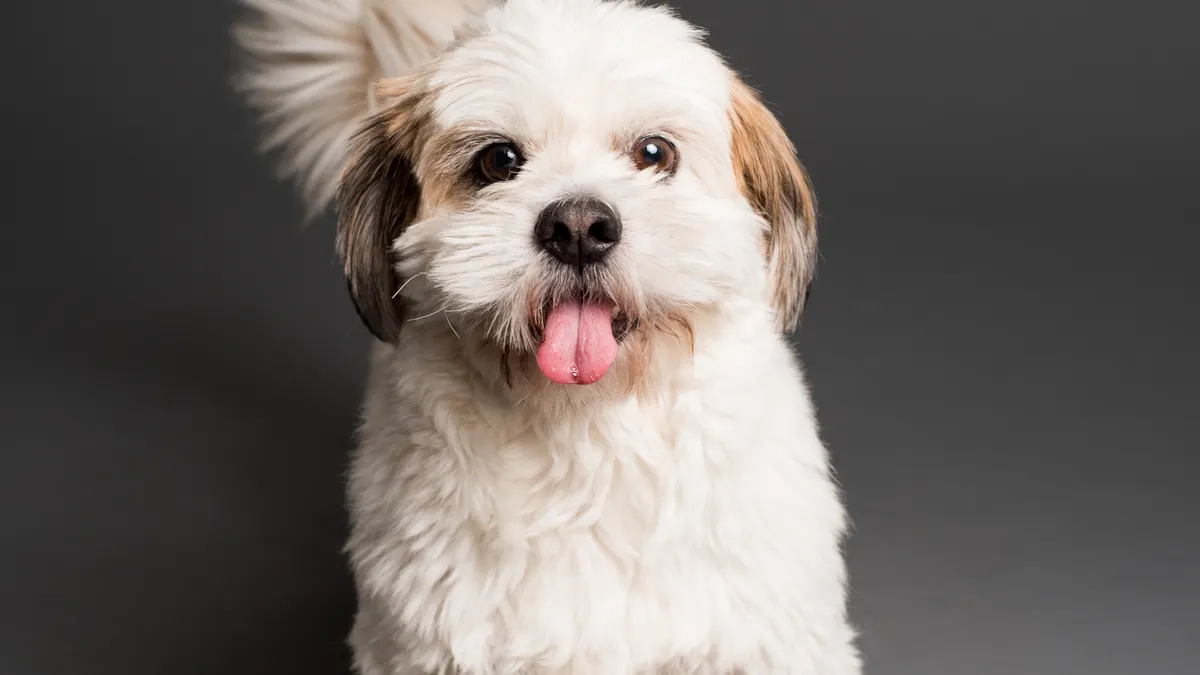
Shih Tzu weight chart
- Adult weight, male
- 4.5–8 kg (10–18 lb)
- Adult weight, female
- 4.5–8 kg (10–18 lb)
- Height, male
- 20–27 cm (8–11 in)
- Height, female
- 20–27 cm (8–11 in)
- Life expectancy
- 10–16 years
- Size
- small
- Energy level
- calm
- Origin
- China
- Fully grown at
- about 12 months
Shih Tzu puppy weight by month
Typical weight range at each age, based on the breed's adult range and standard growth curves. Dogs of this size reach adult weight at about 12 months. The daily energy is for a normally active puppy, with puppy food of 380 kcal/100 g.
| Age | Expected weight | kcal/day | Puppy food, g/day |
|---|---|---|---|
| 2 mo | 1–2 kg (2–4 lb) | 350 | 90 g |
| 3 mo | 2–3 kg (4–7 lb) | 420 | 110 g |
| 4 mo | 2.5–4 kg (6–9 lb) | 460 | 120 g |
| 5 mo | 3–5 kg (7–11 lb) | 470 | 125 g |
| 6 mo | 3.5–6 kg (8–13 lb) | 470 | 125 g |
| 8 mo | 4–7 kg (9–15 lb) | 460 | 120 g |
| 10 mo | 4.5–7.5 kg (10–17 lb) | 450 | 120 g |
| 12 mo | 4.5–8 kg (10–18 lb) | 440 | 115 g |
How much should an adult Shih Tzu eat?
Daily energy need and dry food amount (360 kcal/100 g) by body weight. Neutered or calm dogs need the lower figures, intact or very active dogs the higher ones. Treats count toward the total and should stay under 10%.
| Body weight | Neutered or calm | Intact, normal activity | Very active |
|---|---|---|---|
| 4.5 kg (10 lb) | 300 kcal · 85 g | 350 kcal · 95 g | 390 kcal · 110 g |
| 5.5 kg (12 lb) | 350 kcal · 100 g | 400 kcal · 110 g | 450 kcal · 125 g |
| 6.5 kg (14 lb) | 400 kcal · 110 g | 460 kcal · 125 g | 510 kcal · 140 g |
| 7 kg (15 lb) | 420 kcal · 115 g | 480 kcal · 135 g | 540 kcal · 150 g |
| 8 kg (18 lb) | 470 kcal · 130 g | 530 kcal · 150 g | 600 kcal · 165 g |
Feeding notes for the Shih Tzu
Nutrition-related tendencies reported for this breed. They are not a diagnosis: if your dog has symptoms, ask your vet.
Companion breed: small portions leave a small margin, and one biscuit or a bite of cheese can be 10% of the daily need. Weigh the food in grams, choose a small kibble and keep table food off the menu.
Flat-faced (brachycephalic) breed: keep the dog lean, because extra weight makes breathing harder. Kibble shaped for short muzzles or soaked food reduces air swallowing.
Small mouth, crowded teeth: tartar builds up quickly. Daily tooth brushing helps more than any food, and the kibble size should suit the small mouth.
Bladder stones occur more often: encourage drinking (several water bowls, wet food or water added to the kibble) and have the urine tested if the dog strains or the urine is bloody.
Calm breed: start from the lower (neutered or calm) column and adjust by body condition.
Get an exact plan for your own dog
The tables show typical values. The free DogDietLab report calculates the daily amount for your dog from its own weight, age, activity and health, and checks the food you use.
Frequently asked questions
How much should an adult Shih Tzu eat per day?
A neutered dog of this breed weighing 6.5 kg (14 lb) with normal activity needs about 400 kcal per day, roughly 110 g of dry food at 360 kcal/100 g. Intact or very active dogs need more. Always check the energy content on your own food's label.
How much should a Shih Tzu puppy weigh at 6 months?
At 6 months most puppies of this breed weigh about 3.5–6 kg (8–13 lb). Adult weight is reached at around 12 months.
What is the ideal weight of an adult Shih Tzu?
The typical adult range is 4.5–8 kg (10–18 lb) for both females and males. Within the range, body condition matters more than the scale: the ribs should be easy to feel and the waist visible from above.
Similar breeds
- Miniature Poodle
- Bichon Frisé
- Lhasa Apso
- Löwchen
- Cavalier King Charles Spaniel
- Tibetan Spaniel
- Pug
- King Charles Spaniel