
Breed feeding guide
Miniature Dachshund: weight chart and how much to feed
The Miniature Dachshund is a toy breed (origin: Germany). Adults of both sexes typically weigh 4–5.5 kg (9–12 lb), with a life expectancy of about 12–16 years. Below you will find the expected weight month by month, the daily calorie need and a breed-specific feeding checklist.
Prepared by the DogDietLab nutrition team · Updated: November 2026
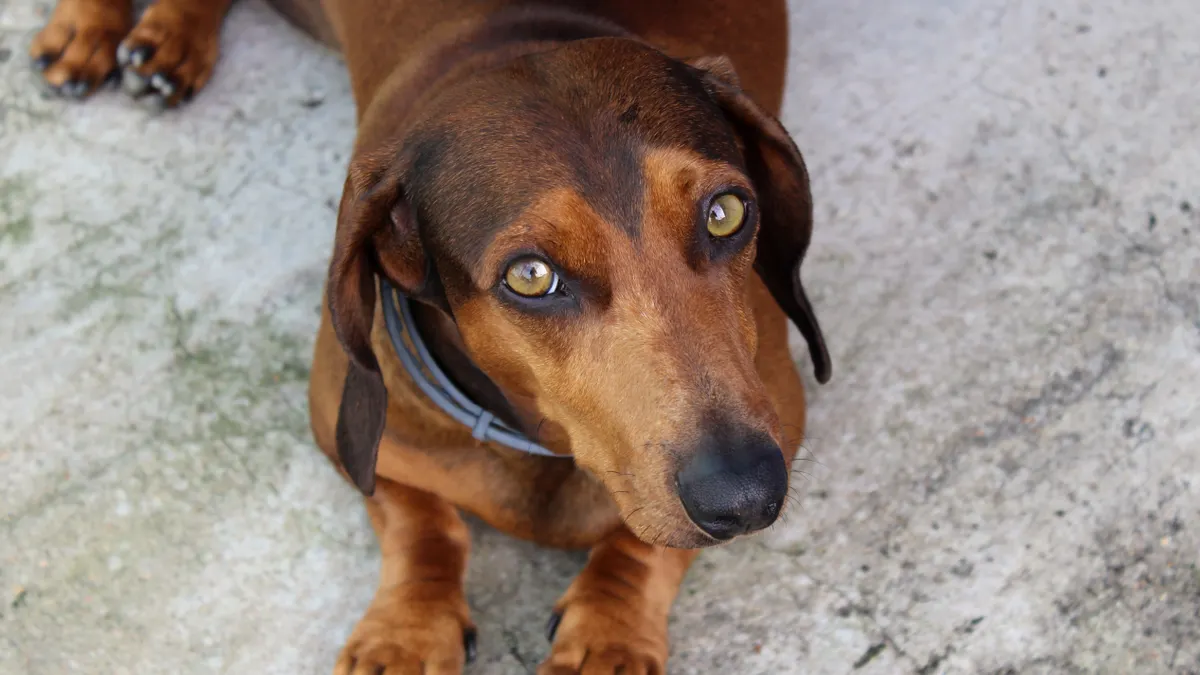
Miniature Dachshund weight chart
- Adult weight, male
- 4–5.5 kg (9–12 lb)
- Adult weight, female
- 4–5.5 kg (9–12 lb)
- Height, male
- 14–21 cm (6–8 in)
- Height, female
- 14–21 cm (6–8 in)
- Life expectancy
- 12–16 years
- Size
- toy
- Energy level
- moderate
- Origin
- Germany
- Fully grown at
- about 10 months
Miniature Dachshund puppy weight by month
Typical weight range at each age, based on the breed's adult range and standard growth curves. Dogs of this size reach adult weight at about 10 months. The daily energy is for a normally active puppy, with puppy food of 380 kcal/100 g.
| Age | Expected weight | kcal/day | Puppy food, g/day |
|---|---|---|---|
| 2 mo | 1–1.5 kg (2–3 lb) | 310 | 80 g |
| 3 mo | 2–2.5 kg (4–6 lb) | 360 | 95 g |
| 4 mo | 2.5–3 kg (6–7 lb) | 380 | 100 g |
| 5 mo | 3–4 kg (7–9 lb) | 380 | 100 g |
| 6 mo | 3–4.5 kg (7–10 lb) | 380 | 100 g |
| 8 mo | 3.5–5 kg (8–11 lb) | 370 | 100 g |
| 10 mo | 4–5.5 kg (9–12 lb) | 360 | 95 g |
How much should an adult Miniature Dachshund eat?
Daily energy need and dry food amount (360 kcal/100 g) by body weight. Neutered or calm dogs need the lower figures, intact or very active dogs the higher ones. Treats count toward the total and should stay under 10%.
| Body weight | Neutered or calm | Intact, normal activity | Very active |
|---|---|---|---|
| 4 kg (9 lb) | 280 kcal · 75 g | 320 kcal · 90 g | 360 kcal · 100 g |
| 4.5 kg (10 lb) | 300 kcal · 85 g | 350 kcal · 95 g | 390 kcal · 110 g |
| 5 kg (11 lb) | 330 kcal · 90 g | 370 kcal · 105 g | 420 kcal · 115 g |
| 5.5 kg (12 lb) | 350 kcal · 100 g | 400 kcal · 110 g | 450 kcal · 125 g |
Feeding notes for the Miniature Dachshund
Nutrition-related tendencies reported for this breed. They are not a diagnosis: if your dog has symptoms, ask your vet.
Dachshund type: a big appetite and a long back are a risky combination. Weigh every meal, resist begging and check the waistline monthly; at this size even 1 kg extra matters.
Long back and disc disease risk (IVDD): every extra kilogram loads the spine, so keeping the dog lean is the most important dietary measure.
Prone to weight gain: weigh the food instead of using a scoop, keep treats under 10% of the daily calories and check the ribs every month (you should feel them easily).
Small mouth, crowded teeth: tartar builds up quickly. Daily tooth brushing helps more than any food, and the kibble size should suit the small mouth.
Toy breed: very small puppies can become hypoglycaemic, so feed 3–4 small meals a day until about 4–6 months and never skip a meal.
Get an exact plan for your own dog
The tables show typical values. The free DogDietLab report calculates the daily amount for your dog from its own weight, age, activity and health, and checks the food you use.
Frequently asked questions
How much should an adult Miniature Dachshund eat per day?
A neutered dog of this breed weighing 5 kg (11 lb) with normal activity needs about 330 kcal per day, roughly 90 g of dry food at 360 kcal/100 g. Intact or very active dogs need more. Always check the energy content on your own food's label.
How much should a Miniature Dachshund puppy weigh at 6 months?
At 6 months most puppies of this breed weigh about 3–4.5 kg (7–10 lb). Adult weight is reached at around 10 months.
What is the ideal weight of an adult Miniature Dachshund?
The typical adult range is 4–5.5 kg (9–12 lb) for both females and males. Within the range, body condition matters more than the scale: the ribs should be easy to feel and the waist visible from above.