
Behavior & Feeding
Coprophagia (faeces-eating): causes and dietary solutions
Is your dog eating poop? Learn why dogs eat feces (coprophagia) and discover effective dietary and behavioral solutions to stop this common habit.
Free tool — no sign-up
Enter weight, age and body shape: 30 seconds and you get the daily portion.
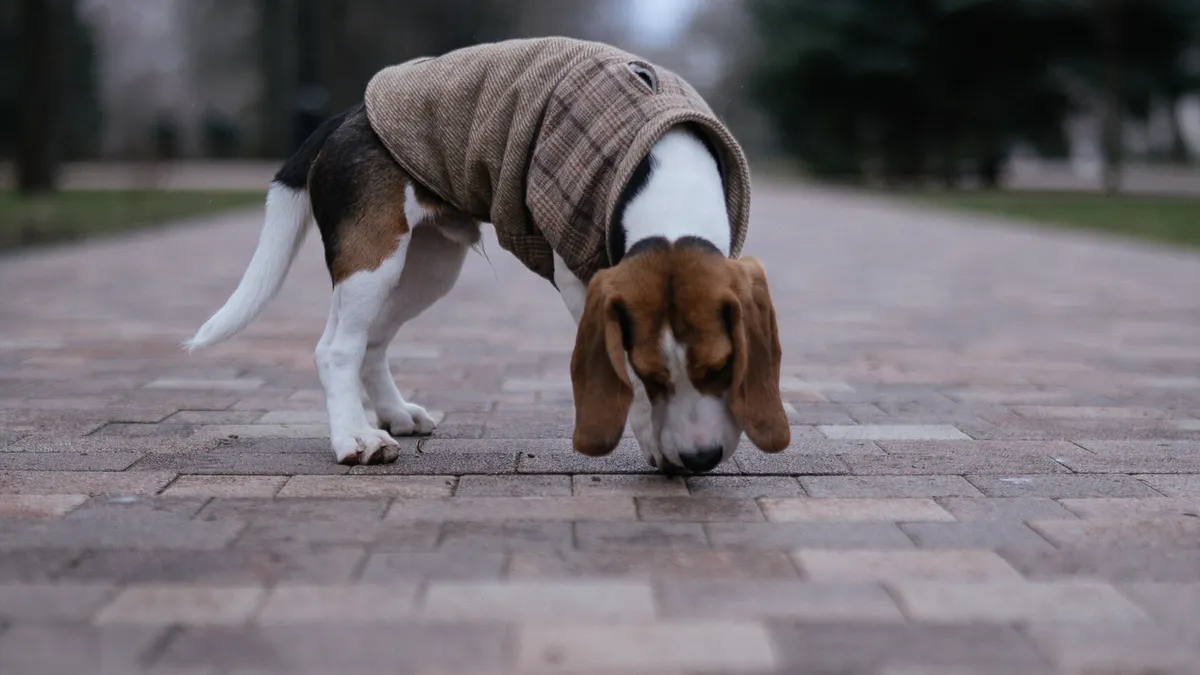
Coprophagia
Coprophagia is a common behavior, affecting 16-24% of adult dogs regularly. It's not rare.
6 Possible Causes
- Nutrient Malabsorption Issues (EPI, IBD, parasites)
- Nutritional Deficiencies (low quality diet, B12, niacin deficiency)
- Too Many Carbohydrates, Not Enough Protein
- Insufficient Feeding (not enough food)
- Behavioral (Learned), mother teaches puppies
- Stress, Boredom
Dietary Approach
1. Veterinary Check-up, blood (B12), stool (parasites), pancreas (TLI)
2. Improve Food Quality:
- Higher protein (28-30%)
- Higher digestibility (premium)
- Probiotics/prebiotics
3. Vitamins/Enzymes (if blood tests indicate):
- B-complex
- Digestive enzyme blend
- Pineapple (bromelain) in small amounts
Get a personalized recommendation for your dog's issue →
Dietary Tricks
✅ Pumpkin added to food ✅ Pineapple chunks (NOT for diabetics) ✅ Probiotics ✅ More frequent, smaller meals
Over-the-Counter Products
"Forbid" or "NaturVet Coprophagia Deterrent", palatable to the dog, makes stool taste bitter. Mixed effectiveness.
Behavioral Approach
1. Immediate Cleanup, walks, yard, house 2. Mental Stimulation, puzzle toys, snuffle mats, training 3. "Leave It!" Command, with positive reinforcement 4. Litter Box Management, elevated or covered (cat-flap access only)
When is it Dangerous?
Parasites/pathogens spread through feces: Giardia, Coccidia, Salmonella, worms.
- Annual deworming
- Stool test every 6 months
In Puppies
Common in puppies 4-12 months old, usually outgrow it. If it persists after one year: dietary + behavioral investigation.
What NOT to Expect
"Miracle cures" are often placebo. Address the root cause (diet + behavior).
Free tool — no sign-up
Enter weight, age and body shape: 30 seconds and you get the daily portion.
References
- 1.Hart BL, Hart LA, Thigpen AP, Tran A, Bain MJ — The paradox of canine conspecific coprophagy. Veterinary Medicine and Science 4(2):106–114, 2018. https://doi.org/10.1002/vms3.92 (accessed: 2026-09-10)
- 2.ESCCAP (European Scientific Counsel Companion Animal Parasites) — Guideline 01: Worm Control in Dogs and Cats. ESCCAP Guidelines, 2021. https://www.esccap.org/guidelines/gl1/ (accessed: 2026-09-10)
- 3.WSAVA Global Nutrition Committee — WSAVA Global Nutrition Guidelines. World Small Animal Veterinary Association, 2021. https://wsava.org/global-guidelines/global-nutrition-guidelines/ (accessed: 2026-09-10)
This is general information and does not replace a veterinary diagnosis.

This guide was compiled based on the expert input of Reka Fazekas-Birizdo canine nutritionist.
Certified Canine Nutritionist
Related articles
Personalized guidance
Personalized dietary analysis based on your dog's data, in 2 minutes.
Get my personalized diet reportFree. Ready in a few minutes.