
Chronic Diseases & Special Conditions
Diet for Dogs with Kidney Disease: Slowing the Progression
Chronic kidney disease cannot be cured, but the right diet can extend your dog's life by years. Focus on reduced phosphorus, moderate protein, and omega-3s.
Free tool — no sign-up
Enter weight, age and body shape: 30 seconds and you get the daily portion.
When to see a vet IMMEDIATELY
- •Blood in stool or vomit
- •Lethargy, not drinking, or not eating for 24+ hours
- •Repeated vomiting, especially if water won't stay down
- •Swollen or painful abdomen, whimpering
- •Diarrhea lasting more than 3 days, or worsening symptoms
This article is informational and does not replace veterinary examination.
Diet for Dogs with Kidney Disease: Slowing the Progression
Chronic kidney disease (CKD) is one of the most common conditions in senior dogs. If left unmanaged, it leads to rapid deterioration, but a targeted diet can help extend your dog's life by several years.
The 4 Cornerstones of a Renal Diet
1. Reduced Phosphorus This is the most important intervention. High phosphorus levels accelerate kidney damage.
- Goal: 0.2–0.5% phosphorus on a dry matter basis
- Veterinary renal diets are formulated specifically for this
2. Moderate, High-Quality Protein The traditional rule of "low protein" has been refined; current recommendations suggest a moderate amount of high-quality protein.
- Goal: 14–20% protein on a dry matter basis
- Sources with high biological value (egg, chicken, fish)
3. Omega-3 Fatty Acids Research suggests the anti-inflammatory effects of EPA and DHA can slow the progression of kidney damage.
- Fish oil supplementation
- Always determine the dosage (based on weight-specific EPA+DHA levels) with your vet
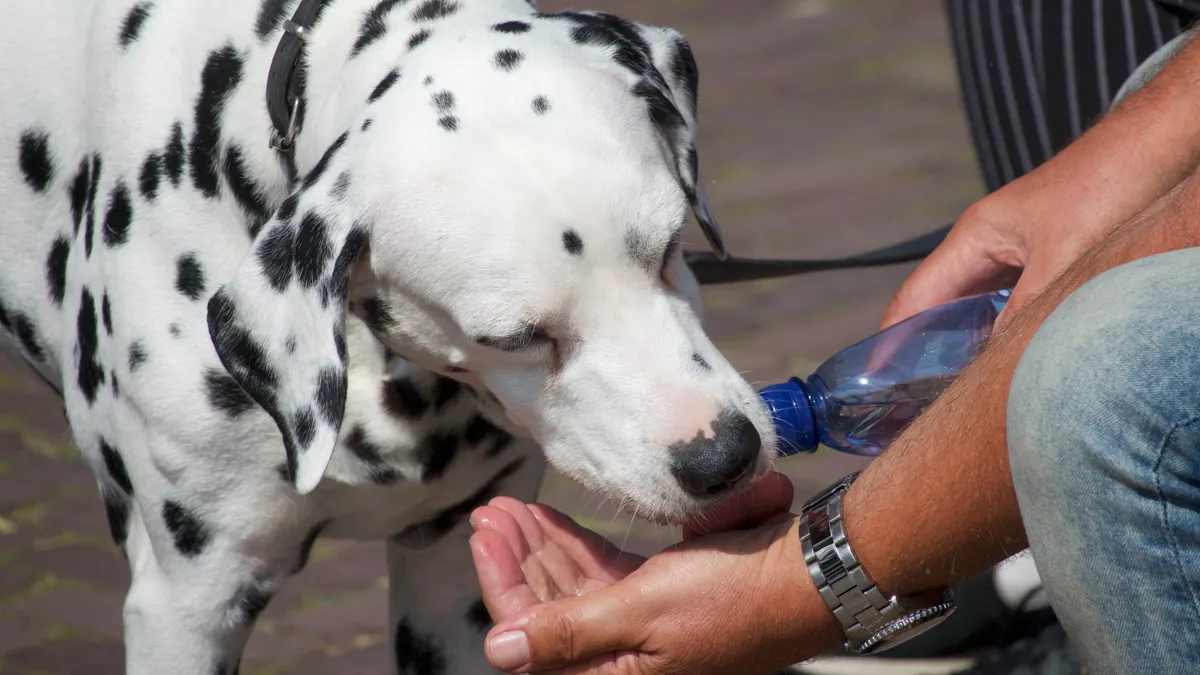
4. Increased Hydration Concentrated urine is damaging to the kidneys. Increase water intake by:
- Increasing the ratio of wet food
- Providing multiple water bowls
- Soaking dry kibble in water (avoid bone broth for dogs with kidney issues: the phosphorus leached from bones puts a strain on the kidneys)
Get a personalized recommendation for your dog's issue →
What to Avoid
- Foods high in phosphorus: bones, bone meal, and animal by-products
- Excess salt: strains the kidneys and increases blood pressure
- High-protein treats (large amounts of dried meat)
- Cheese, salami, and sausages
Appetite Loss: The Main Challenge
Dogs with kidney disease often lose their appetite. Tips include:
- Warming the food (to release the aroma)
- Using wet food, which is often more palatable
- Feeding several smaller portions throughout the day
- Hand-feeding, which can sometimes encourage eating
- Appetite stimulants (such as Mirtazapine) under veterinary advice
Recommended Diets
- Veterinary (prescription) renal diets, sourced via your vet: tailored to the specific stage of the disease
- Veterinary renal foods: ensure the core principles are met (reduced phosphorus, appropriate protein, omega-3)
- Senior diets: these are not renal diets and their phosphorus content is not restricted, so they cannot replace a renal diet; from IRIS stage 2 a veterinary renal diet is recommended
- BARF / Homemade: only if formulated by a veterinary nutritionist
The specific prescription diet should always be chosen by your vet based on kidney function (IRIS stage).
Blood Tests: The Basis of Monitoring
SDMA, creatinine, BUN, and phosphorus levels should be checked every 3–6 months. The strictness of the diet depends on the stage (IRIS 1–4).
What to Monitor at Home
- Water intake: is it increasing?
- Appetite: is it decreasing?
- Vomiting or diarrhoea: potential signs of uraemic gastritis
- Weight loss: specifically muscle wasting
- Bad breath: watch out for an ammonia-like smell
This information is for educational purposes only. Adjusting a renal diet is a task for your veterinarian.
Free tool — no sign-up
Enter weight, age and body shape: 30 seconds and you get the daily portion.
References
- 1.Jacob F, Polzin DJ, Osborne CA, et al. — Clinical evaluation of dietary modification for treatment of spontaneous chronic renal failure in dogs. Journal of the American Veterinary Medical Association 220(8):1163–1170, 2002. https://doi.org/10.2460/javma.2002.220.1163 (accessed: 2026-09-10)
- 2.International Renal Interest Society (IRIS) — IRIS Staging of CKD and Treatment Recommendations for Dogs. IRIS Kidney, 2023. http://www.iris-kidney.com/guidelines/ (accessed: 2026-09-10)
- 3.National Research Council (US), Committee on Animal Nutrition — Nutrient Requirements of Dogs and Cats. National Academies Press, Washington DC, 2006. https://doi.org/10.17226/10668 (accessed: 2026-09-10)
- 4.WSAVA Global Nutrition Committee — WSAVA Global Nutrition Guidelines. World Small Animal Veterinary Association, 2021. https://wsava.org/global-guidelines/global-nutrition-guidelines/ (accessed: 2026-09-10)
This is general information and does not replace a veterinary diagnosis.

This guide was compiled based on the expert input of Reka Fazekas-Birizdo canine nutritionist.
Certified Canine Nutritionist
Related articles
Personalized guidance
Personalized dietary analysis based on your dog's data, in 2 minutes.
Get my personalized diet reportFree. Ready in a few minutes.
