
Chronic Diseases & Special Conditions
Dietary Support for Dogs with Heart Disease
Reduced sodium, omega-3 fatty acids, taurine, and L-carnitine are the essential components of a diet for dogs with heart conditions.
Free tool — no sign-up
Enter weight, age and body shape: 30 seconds and you get the daily portion.
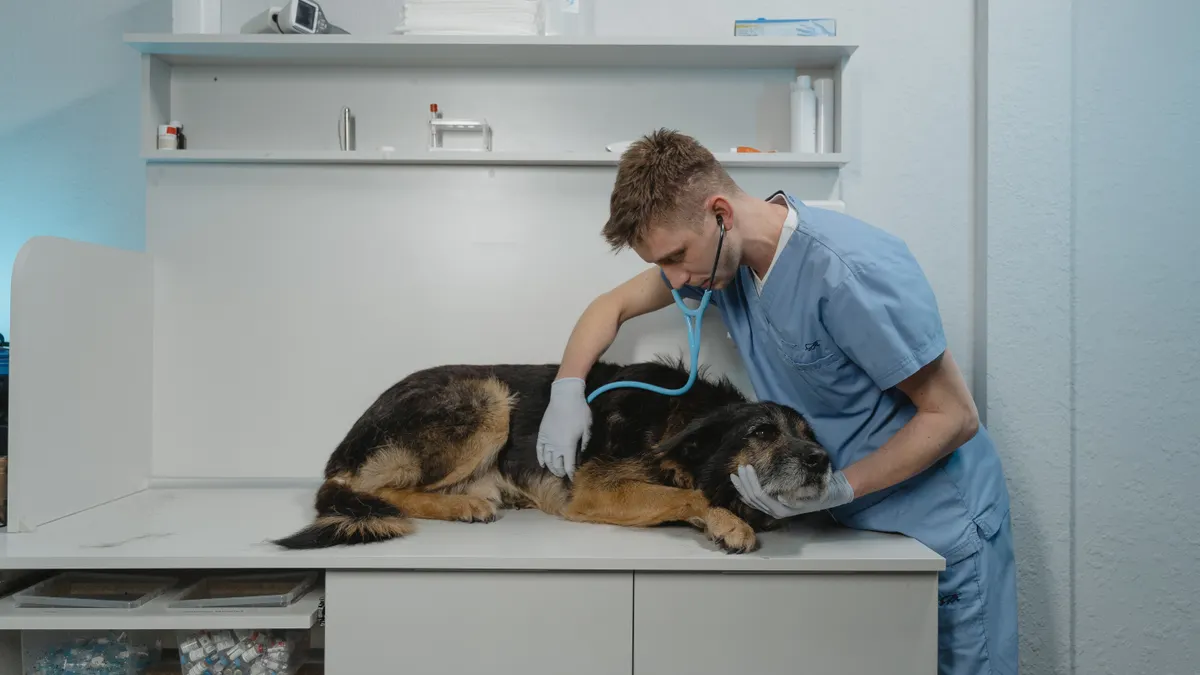
When to see a vet IMMEDIATELY
- •Blood in stool or vomit
- •Lethargy, not drinking, or not eating for 24+ hours
- •Repeated vomiting, especially if water won't stay down
- •Swollen or painful abdomen, whimpering
- •Diarrhea lasting more than 3 days, or worsening symptoms
This article is informational and does not replace veterinary examination.
Dietary Support for Dogs with Heart Disease
Chronic heart disease (degenerative valve disease, dilated cardiomyopathy) is a leading cause of mortality in senior dogs. While diet cannot cure the condition, it helps to slow disease progression and significantly improves quality of life.
The Cornerstones of a Heart-Healthy Diet
1. Reduced Sodium High sodium intake increases blood pressure and places additional strain on a compromised heart.
- Mild stage: <100 mg Na / 100 kcal
- Moderate to severe stage: <80 mg Na / 100 kcal
2. Omega-3 Fatty Acids Research suggests that EPA and DHA can support cardiac function:
- Best provided in the form of fish oil
- Always consult your vet regarding the appropriate weight-based dosage
3. Taurine
- Essential for certain breeds (Cocker Spaniel, Newfoundland, Boxer, Golden Retriever)
- Recommended for dogs at risk of DCM
- 500–1000 mg / day (under veterinary supervision)
4. L-carnitine
- Supports heart muscle metabolism
- Dosage should be determined by a veterinarian
5. Antioxidants
- Vitamin E
- Coenzyme Q10
- Vitamin C
Foods to Avoid
- Salty snacks (cheese, salami, ham, sausage)
- Salty biscuits and crisps
- Commercial dog treats with high sodium content
- Human food cooked with salt
- Stock cubes
Recommended Therapeutic Diets
- Royal Canin Cardiac
- Hill's h/d
- Eukanuba Cardiac (where available)
Treats for Dogs with Heart Conditions
- Boiled chicken (unsalted)
- Broccoli, carrots (boiled)
- Small pieces of apple
- Fresh tuna (unsalted, in moderation)
Water Consumption
Diuretic medication can cause increased thirst. Always ensure access to fresh water, but notify your vet if you notice excessive drinking or urination, as this may indicate kidney complications.
Weight Control
Excess weight puts extra strain on the heart. Weight loss is important but must be achieved gradually (0.5–1% per week), as overly rapid weight loss can lead to muscle wastage.
This information is for educational purposes only.
Free tool — no sign-up
Enter weight, age and body shape: 30 seconds and you get the daily portion.
References
- 1.Freeman LM — Beneficial effects of omega-3 fatty acids in cardiovascular disease. Journal of Small Animal Practice 51(9):462–470, 2010. https://doi.org/10.1111/j.1748-5827.2010.00968.x (accessed: 2026-09-10)
- 2.Freeman LM, Stern JA, Fries R, Adin DB, Rush JE — Diet-associated dilated cardiomyopathy in dogs: what do we know?. Journal of the American Veterinary Medical Association 253(11):1390–1394, 2018. https://doi.org/10.2460/javma.253.11.1390 (accessed: 2026-09-10)
- 3.National Research Council (US), Committee on Animal Nutrition — Nutrient Requirements of Dogs and Cats. National Academies Press, Washington DC, 2006. https://doi.org/10.17226/10668 (accessed: 2026-09-10)
- 4.FEDIAF (European Pet Food Industry Federation) — Nutritional Guidelines for Complete and Complementary Pet Food for Cats and Dogs. FEDIAF, 2024. https://europeanpetfood.org/self-regulation/nutritional-guidelines/ (accessed: 2026-09-10)
This is general information and does not replace a veterinary diagnosis.

This guide was compiled based on the expert input of Reka Fazekas-Birizdo canine nutritionist.
Certified Canine Nutritionist
Related articles
Health condition
Get a safe feeding direction for your dog's condition — to discuss with your vet.
Get a diet reportFree. Ready in a few minutes.
