
Life Stage Transitions
Dog in Heat Diet: Appetite Changes, Weight Loss, Vet Advice
A dog's appetite may change during heat, but weight loss or food refusal should not be solely attributed to hormones. What to feed, what to watch for, and when to seek veterinary help?
Do dogs in heat eat less?
Yes, this is common: many females eat 20–40% less for 1–2 weeks during heat. Do not tempt her with special food, keep the usual routine and always offer fresh water. See your vet if she barely eats for more than 5 days, loses over 5% of her weight, or vomits, has diarrhea or seems lethargic.
Free tool — no sign-up
Enter weight, age and body shape: 30 seconds and you get the daily portion.
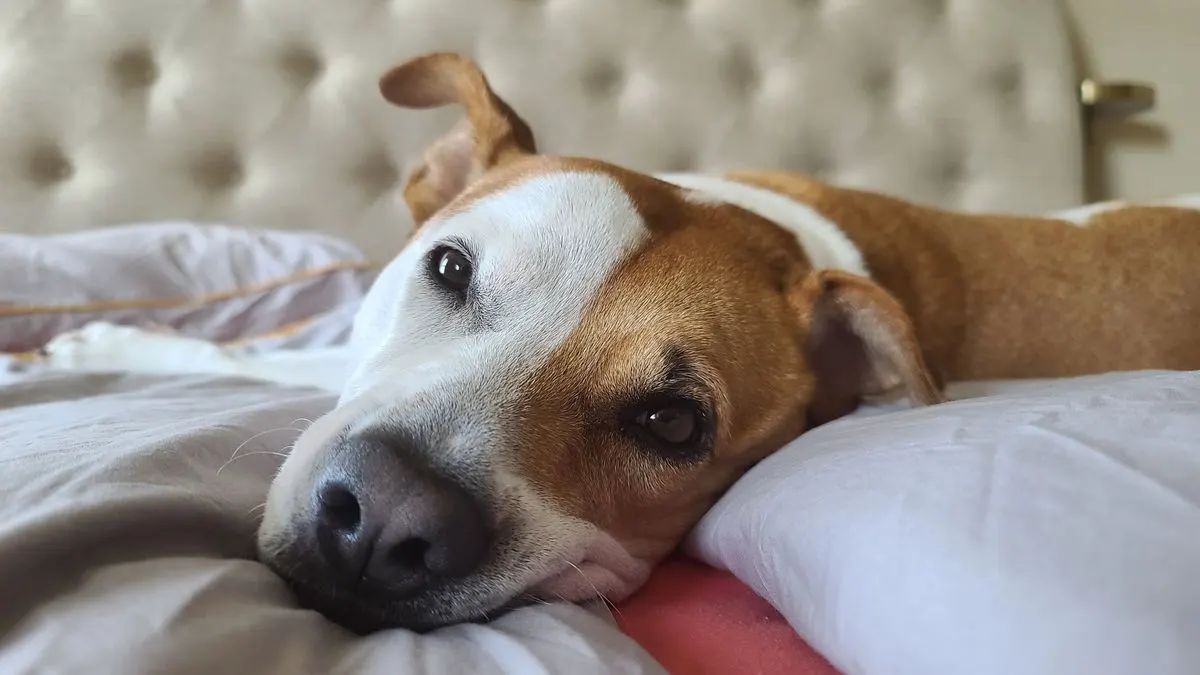
What Should a Dog in Heat Eat?
Offer the usual, complete food. The heat itself does not justify more calories, calcium, or other dietary supplements. Some dogs may show less interest in food during this time, but complete loss of appetite or weight loss should not be automatically attributed to being in heat.
If your dog is not eating, seek advice from your veterinarian. If they are lethargic, vomiting, drinking excessively, have a swollen abdomen, or you notice unusual discharge, urgent help may be needed, even in the weeks following the heat cycle.
Is It Normal for a Dog in Heat to Eat Less?
Appetite can fluctuate during heat. An anxious dog may be distracted by smells, other dogs, or a changed routine. Additionally, dental pain, digestive issues, and other illnesses can also reduce appetite.
Eating a smaller amount is not the same as refusing all food. Keep track of how much they are actually eating and inform your veterinarian of any changes in eating habits. In cases of severe loss of appetite, do not wait days just because your dog is in heat.
Can a Dog Lose Weight During Heat?
If a dog eats less, they may lose weight, but weight loss is not a necessary or harmless consequence of being in heat. There is no fixed percentage of weight loss that can be considered normal for all dogs.
Check the change on the same scale, under similar conditions. Record the usual portion, leftovers, treats, and activity levels. If there is measurable or ongoing weight loss, consult your veterinarian; do not attempt to resolve it with fatty foods or supplements.
Does a Dog in Heat Need More Food?
Not automatically. Start with the usual measured portion; monitor their body condition and activity levels. Do not routinely increase the portion due to bleeding, but do not arbitrarily restrict food if they seem hungrier.
Pregnancy and nursing are different nutritional situations. If mating may have occurred, seek veterinary advice on confirming pregnancy and feeding; do not switch foods independently, and do not give calcium without consultation.
Free tool — no sign-up
Enter weight, age and body shape: 30 seconds and you get the daily portion.
Get a personalized recommendation for your dog's issue →
Five Practical Feeding Steps
- Keep the food familiar. Offer the usual complete food in a calm place, away from other dogs.
- Divide the daily portion into smaller meals if it helps. The total amount should not increase.
- Always provide fresh water. Monitor for noticeably increased or decreased drinking.
- Avoid sudden changes. Frequent food changes and fatty leftovers can cause digestive issues.
- Record any changes. Monitoring appetite, weight, drinking, energy levels, and discharge will assist your veterinarian.
Do not force feeding. Just because your dog accepts treats but does not eat their main meal, they may still have health issues. Treats do not replace a veterinary examination or a balanced diet.
How Long Does the Heat Cycle Last?
Visible heat usually lasts about two to three weeks, but individual variations exist. The entire reproductive cycle includes a period between heats, often lasting several months. Its phases are proestrus, estrus, metestrus, and anoestrus. Timing these phases is not a reliable home method for determining the safe mating period.
During the entire heat period, keep your dog away from unneutered males. Fertility cannot be reliably determined based on bleeding and appetite, and heat pants do not prevent mating.
Appetite Changes After Heat: Pseudopregnancy or Illness?
Hormonal changes can cause pseudopregnancy, such as nesting behaviour, caring for toys, or milk production. Seek veterinary examination instead of assuming that loss of appetite is solely due to this. Do not squeeze or milk the teats; seek help for painful, swollen teats.
Pyometra, a life-threatening condition, is common in unspayed females. It often occurs four to eight weeks after heat. Warning signs may include loss of appetite, lethargy, vomiting, increased drinking or urination, abdominal swelling, and purulent discharge. In cases of a closed cervix, discharge may not be visible. If you notice these symptoms, contact your veterinarian immediately; dietary changes will not resolve this issue.
Can Heat Be Stopped with Diet?
There is no safe, reliable diet or supplement to stop heat. Discuss the possibility and timing of spaying with your veterinarian based on your dog's breed, age, health, and individual circumstances.
Sources
General feeding advice, not a diagnosis and does not replace veterinary care.
References
- 1.Concannon PW — Reproductive cycles of the domestic bitch. Animal Reproduction Science 124(3–4):200–210, 2011. https://doi.org/10.1016/j.anireprosci.2010.08.028 (accessed: 2026-09-10)
- 2.National Research Council (US), Committee on Animal Nutrition — Nutrient Requirements of Dogs and Cats. National Academies Press, Washington DC, 2006. https://doi.org/10.17226/10668 (accessed: 2026-09-10)
- 3.FEDIAF (European Pet Food Industry Federation) — Nutritional Guidelines for Complete and Complementary Pet Food for Cats and Dogs. FEDIAF, 2024. https://europeanpetfood.org/self-regulation/nutritional-guidelines/ (accessed: 2026-09-10)
- 4.WSAVA Global Nutrition Committee — WSAVA Global Nutrition Guidelines. World Small Animal Veterinary Association, 2021. https://wsava.org/global-guidelines/global-nutrition-guidelines/ (accessed: 2026-09-10)
This is general information and does not replace a veterinary diagnosis.

This guide was compiled based on the expert input of Reka Fazekas-Birizdo canine nutritionist.
Certified Canine Nutritionist
Related articles
Personalized guidance
Personalized dietary analysis based on your dog's data, in 2 minutes.
Get my personalized diet reportFree. Ready in a few minutes.