
Behaviour & Feeding
Coprophagia: Causes & Dietary Solutions for Dogs
Is your dog eating poop? Learn why dogs eat faeces (coprophagia) and discover effective dietary and behavioural solutions to stop this common habit.
Free tool — no sign-up
Enter weight, age and body shape: 30 seconds and you get the daily portion.
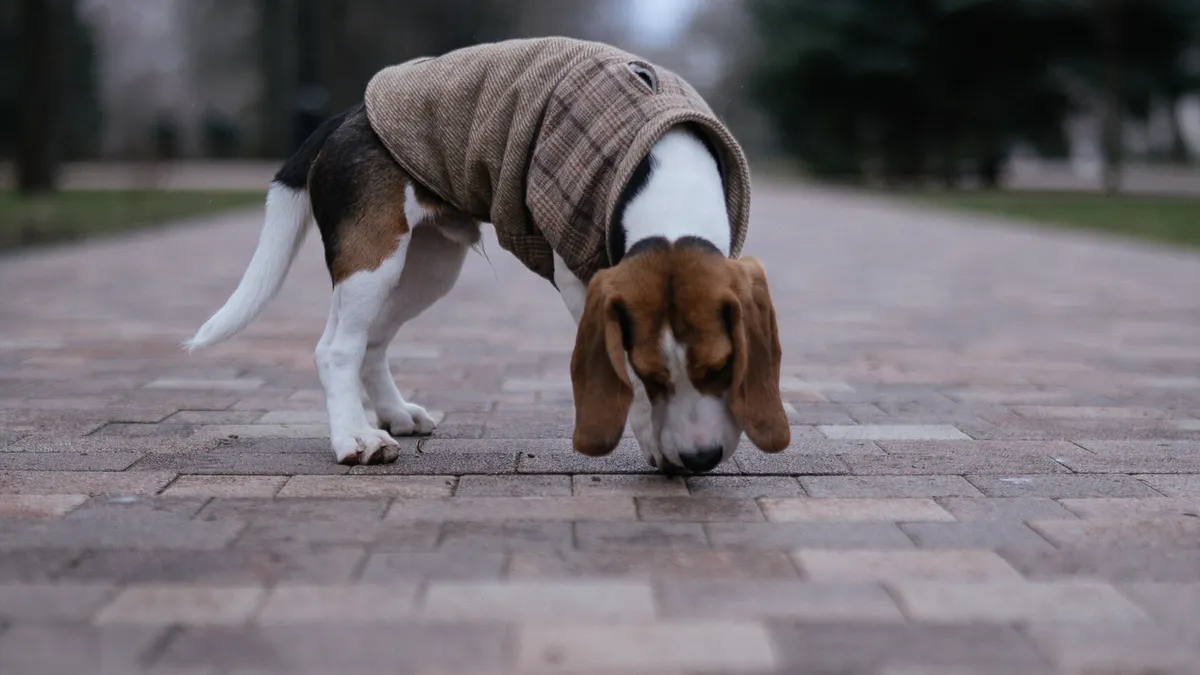
Coprophagia
Coprophagia is a common behaviour, affecting 16-24% of adult dogs regularly. It's not rare.
6 Possible Causes
- Nutrient Malabsorption Issues (EPI, IBD, parasites)
- Nutritional Deficiencies (low quality diet, B12, niacin deficiency)
- Too Many Carbohydrates, Not Enough Protein
- Insufficient Feeding (not enough food)
- Behavioural (Learned): mother teaches puppies
- Stress, Boredom
Dietary Approach
1. Veterinary Check-up: blood (B12), stool (parasites), pancreas (TLI)
2. Improve Food Quality:
- Higher protein (28-30%)
- Higher digestibility (premium)
- Probiotics/prebiotics
3. Vitamins/Enzymes (if blood tests indicate):
- B-complex
- Digestive enzyme blend
- Pineapple (bromelain) in small amounts
Get a personalized recommendation for your dog's issue →
Dietary Tricks
✅ Pumpkin added to food ✅ Pineapple chunks (NOT for diabetics) ✅ Probiotics ✅ More frequent, smaller meals
Over-the-Counter Products
"Forbid" or "NaturVet Coprophagia Deterrent": palatable to the dog, makes stool taste bitter. Mixed effectiveness.
Behavioural Approach
1. Immediate Cleanup: walks, garden, house 2. Mental Stimulation: puzzle toys, snuffle mats, training 3. "Leave It!" Command: with positive reinforcement 4. Litter Box Management: elevated or covered (cat-flap access only)
When is it Dangerous?
Parasites/pathogens spread through faeces: Giardia, Coccidia, Salmonella, worms.
- Annual deworming
- Stool test every 6 months
In Puppies
Common in puppies 4-12 months old, usually outgrow it. If it persists after one year: dietary + behavioural investigation.
What NOT to Expect
"Miracle cures" are often placebo. Address the root cause (diet + behaviour).
Free tool — no sign-up
Enter weight, age and body shape: 30 seconds and you get the daily portion.
References
- 1.Hart BL, Hart LA, Thigpen AP, Tran A, Bain MJ — The paradox of canine conspecific coprophagy. Veterinary Medicine and Science 4(2):106–114, 2018. https://doi.org/10.1002/vms3.92 (accessed: 2026-09-10)
- 2.ESCCAP (European Scientific Counsel Companion Animal Parasites) — Guideline 01: Worm Control in Dogs and Cats. ESCCAP Guidelines, 2021. https://www.esccap.org/guidelines/gl1/ (accessed: 2026-09-10)
- 3.WSAVA Global Nutrition Committee — WSAVA Global Nutrition Guidelines. World Small Animal Veterinary Association, 2021. https://wsava.org/global-guidelines/global-nutrition-guidelines/ (accessed: 2026-09-10)
This is general information and does not replace a veterinary diagnosis.

This guide was compiled based on the expert input of Reka Fazekas-Birizdo canine nutritionist.
Certified Canine Nutritionist
Related articles
Personalized guidance
Personalized dietary analysis based on your dog's data, in 2 minutes.
Get my personalized diet reportFree. Ready in a few minutes.