
What Can Dogs Eat: The Ultimate List
Can Dogs Eat Fish? Salmon, Tuna & Sardines Explained
Free tool — no sign-up
Treats and human food together should stay under 10% of daily calories. Work out your dog's daily allowance.
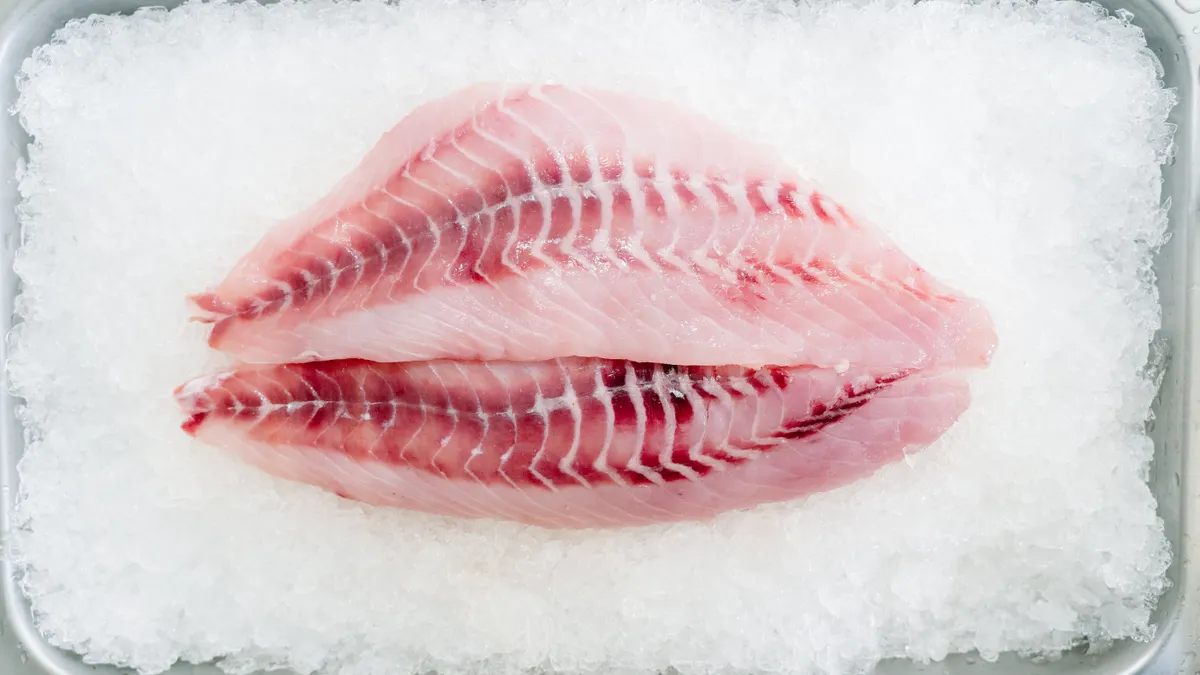
Can Dogs Eat Fish? Salmon, Tuna, Sardines?
Yes, fish can be an excellent addition to your dog's diet, often a key ingredient in premium pet foods. However, a few rules must be followed.
Safe, When Cooked
✅ Salmon, sardines, cod, perch, trout, tilapia.
Benefits
- Omega-3 (EPA + DHA), the best source
- High, easily digestible protein
- Vitamin D, selenium, iodine
Get a personalized recommendation for your dog's issue →
Serving Size
- Mini1–5 kg30–50 g
- Small5–10 kg70–100 g
- Medium10–25 kg150–200 g
- Largeover 25 kg250–400 g
Tuna: Use with Caution
⚠️ High mercury content. A small portion once a week is fine, but NOT daily. Canned tuna should be in water (NOT oil, NOT salted).
Sardines: The Best Choice
✅ Small, low in mercury, high in omega-3, and bones are soft.
Raw Fish: Exercise Caution
⚠️ Salmon poisoning disease, primarily affecting raw Pacific salmon, is a rickettsial infection carried by parasites, which can be fatal if untreated. Only feed thoroughly frozen (-20°C for at least 1 week) or cooked fish.
Fish Bones: Caution
Larger fish may have thin bones. Remove them or chop the fish into small pieces.
Fish Oil Supplements
As a general supplement, approx. 20–55 mg EPA + DHA / kg / day. For skin problems, atopy or arthritis, approx. 50–100 mg / kg / day may be appropriate, but this should be set by your vet. The NRC (2006) safe upper limit is approx. 370 mg EPA + DHA / kg body weight^0.75 / day (e.g. ~4.7 g for a 30 kg dog); do not exceed it. If your dog is on anticoagulants or NSAID painkillers, or is due for surgery, only give fish oil after consulting your vet, as it can increase the tendency to bleed.
This information is for guidance only.
Free tool — no sign-up
Treats and human food together should stay under 10% of daily calories. Work out your dog's daily allowance.
References
- 1.Mueller RS, Fieseler KV, Fettman MJ, et al. — Effect of omega-3 fatty acids on canine atopic dermatitis. Journal of Small Animal Practice 45(6):293–297, 2004. https://doi.org/10.1111/j.1748-5827.2004.tb00238.x (accessed: 2026-09-10)
- 2.National Research Council (US), Committee on Animal Nutrition — Nutrient Requirements of Dogs and Cats. National Academies Press, Washington DC, 2006. https://doi.org/10.17226/10668 (accessed: 2026-09-10)
- 3.U.S. Food and Drug Administration, Center for Veterinary Medicine — Get the Facts! Raw Pet Food Diets can be Dangerous to You and Your Pet. FDA, 2023. https://www.fda.gov/animal-veterinary/animal-health-literacy/get-facts-raw-pet-food-diets-can-be-dangerous-you-and-your-pet (accessed: 2026-09-10)
- 4.Roush JK, Cross AR, Renberg WC, et al. — Evaluation of the effects of dietary supplementation with fish oil omega-3 fatty acids on weight bearing in dogs with osteoarthritis. Journal of the American Veterinary Medical Association 236(1):67–73, 2010. https://doi.org/10.2460/javma.236.1.67 (accessed: 2026-09-10)
This is general information and does not replace a veterinary diagnosis.

This guide was compiled based on the expert input of Reka Fazekas-Birizdo canine nutritionist.
Certified Canine Nutritionist
Related articles
Personalized guidance
Personalized dietary analysis based on your dog's data, in 2 minutes.
Get my personalized diet reportFree. Ready in a few minutes.