
Breed-Specific Diet
Border Collie & Active Working Dog Diet
Active working dogs have dramatically higher daily calorie needs. Learn about optimal nutrition, feeding times, and special considerations for these athletic breeds.
Free tool — no sign-up
Enter weight, age and body shape: 30 seconds and you get the daily portion.
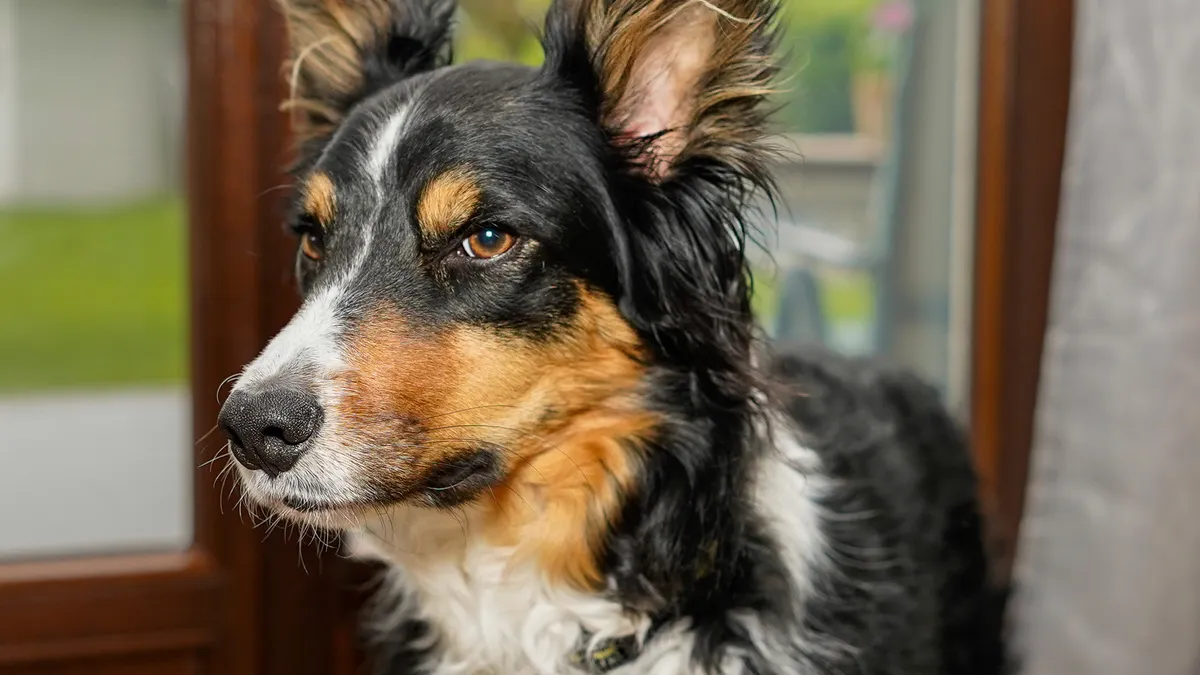
Border Collie & Active Working Dog Diet
Typical Characteristics
- Weight: Border Collie 13.6-20.4 kg, Hungarian Vizsla 20.4-29.5 kg
- Lifespan: 12-15 years
- Activity Level: Very High
1. High Calorie Needs
MER Multiplier: 2.5-3.0+ for active working dogs!
For an 18 kg Border Collie:
- Moderately Active: ~870 kcal
- Active: 1100-1400 kcal
- Athletic/Sporting: 1500-2000 kcal
2. High Protein, High Fat
- Protein: 28-35%
- Fat: 18-25%
- Complex Carbohydrates
Fat is the most efficient energy source for endurance.
Get a personalized recommendation for your dog's issue →
3. Performance Formulas
Many premium brands offer 'performance' formulas: 30%+ protein, 20%+ fat.
Feeding Timing
NOT directly before exercise!
- 2–4 hours before exercise: small meal
- 30 minutes after exercise: regular meal
- Never within 1 hour before/after exercise (GDV risk)
Hydration
A 20 kg working dog can drink 2 litres daily.
Border Collie Collapse (BCC)
Sudden collapse during intense exercise.
- Proper hydration
- Stable energy levels
- Nutrient-dense diet
Hungarian Vizsla
- Prone to pickiness → consistent feeding schedule
- Joint issues in adulthood
- Despite lean build, NOT necessarily more calories
Senior Working Dog (8-10+ years)
- Reduce calories by 15-20%
- Transition to a senior formula
- Glucosamine-Chondroitin
- Continued Omega-3s
References
No breed-specific clinical trial exists for this topic. The recommendations here are based on general small-animal nutrition standards (FEDIAF, WSAVA, NRC) applied to the risks typical of this breed.
- 1.FEDIAF (European Pet Food Industry Federation) — Nutritional Guidelines for Complete and Complementary Pet Food for Cats and Dogs. FEDIAF, 2024. https://europeanpetfood.org/self-regulation/nutritional-guidelines/ (accessed: 2026-09-10)
- 2.WSAVA Global Nutrition Committee — WSAVA Global Nutrition Guidelines. World Small Animal Veterinary Association, 2021. https://wsava.org/global-guidelines/global-nutrition-guidelines/ (accessed: 2026-09-10)
- 3.National Research Council (US), Committee on Animal Nutrition — Nutrient Requirements of Dogs and Cats. National Academies Press, Washington DC, 2006. https://doi.org/10.17226/10668 (accessed: 2026-09-10)
- 4.Cline MG, Burns KM, Coe JB, et al. — 2021 AAHA Nutrition and Weight Management Guidelines for Dogs and Cats. Journal of the American Animal Hospital Association 57(4):153–178, 2021. https://doi.org/10.5326/JAAHA-MS-7232 (accessed: 2026-09-10)
- 5.Hill RC — The nutritional requirements of exercising dogs. The Journal of Nutrition 128(12 Suppl):2686S–2690S, 1998. https://doi.org/10.1093/jn/128.12.2686S (accessed: 2026-09-10)
This is general information and does not replace a veterinary diagnosis.

This guide was compiled based on the expert input of Reka Fazekas-Birizdo canine nutritionist.
Certified Canine Nutritionist
Related articles
Personalized guidance
Personalized dietary analysis based on your dog's data, in 2 minutes.
Get my personalized diet reportFree. Ready in a few minutes.